

The Benefits of Milk Protein in Skincare: Why Your Skin Loves It
Introduction
Milk has been used in beauty rituals for centuries — from Cleopatra’s milk baths to modern skincare innovations — and for good reason. Milk protein is one of the most powerful natural ingredients for soft, radiant, hydrated skin. Today, advanced formulations make it even more effective, delivering deep nourishment without heaviness. If you’re looking for glowing, healthy skin, milk protein may be the ingredient your routine is missing.
What Is Milk Protein in Skincare?
Milk protein is a nutrient-rich derivative of milk that contains amino acids, vitamins, and natural lipids. In skincare, it works as a conditioning and restoring agent that strengthens the skin barrier while boosting hydration.
Key Benefits of Milk Protein for Skin
1. Deep Hydration
Milk protein binds moisture to the skin, preventing dryness and dehydration.
2. Strengthens the Skin Barrier
It helps repair damaged skin and keeps environmental aggressors away.
3. Adds a Natural Glow
Its softening effect instantly improves radiance and smoothness.
4. Soothes Sensitivity
Great for irritated, inflamed, or reactive skin types.
How to Use Milk Protein in Your Routine
Use it daily in cleansers, lotions, and hydrating products for maximum benefit. Layering milk-protein products amplifies results.
Le’SKIN Recommendation
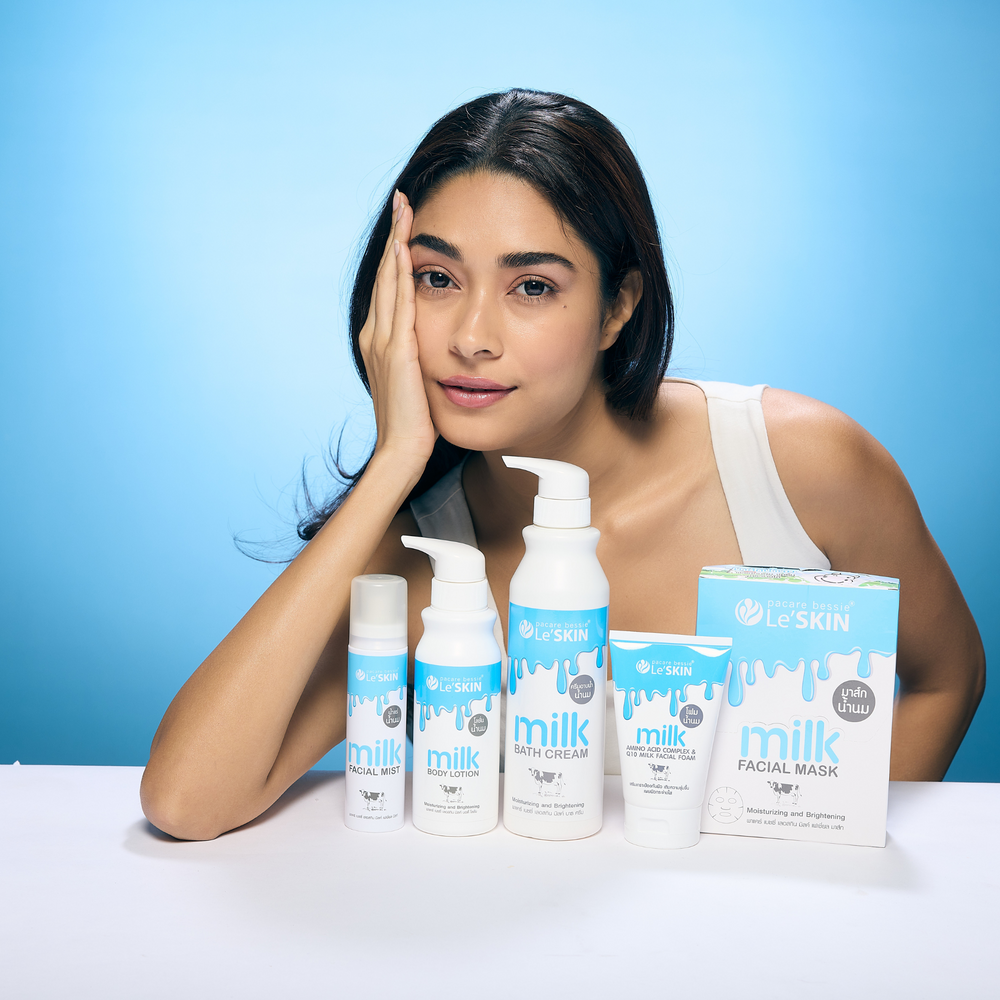
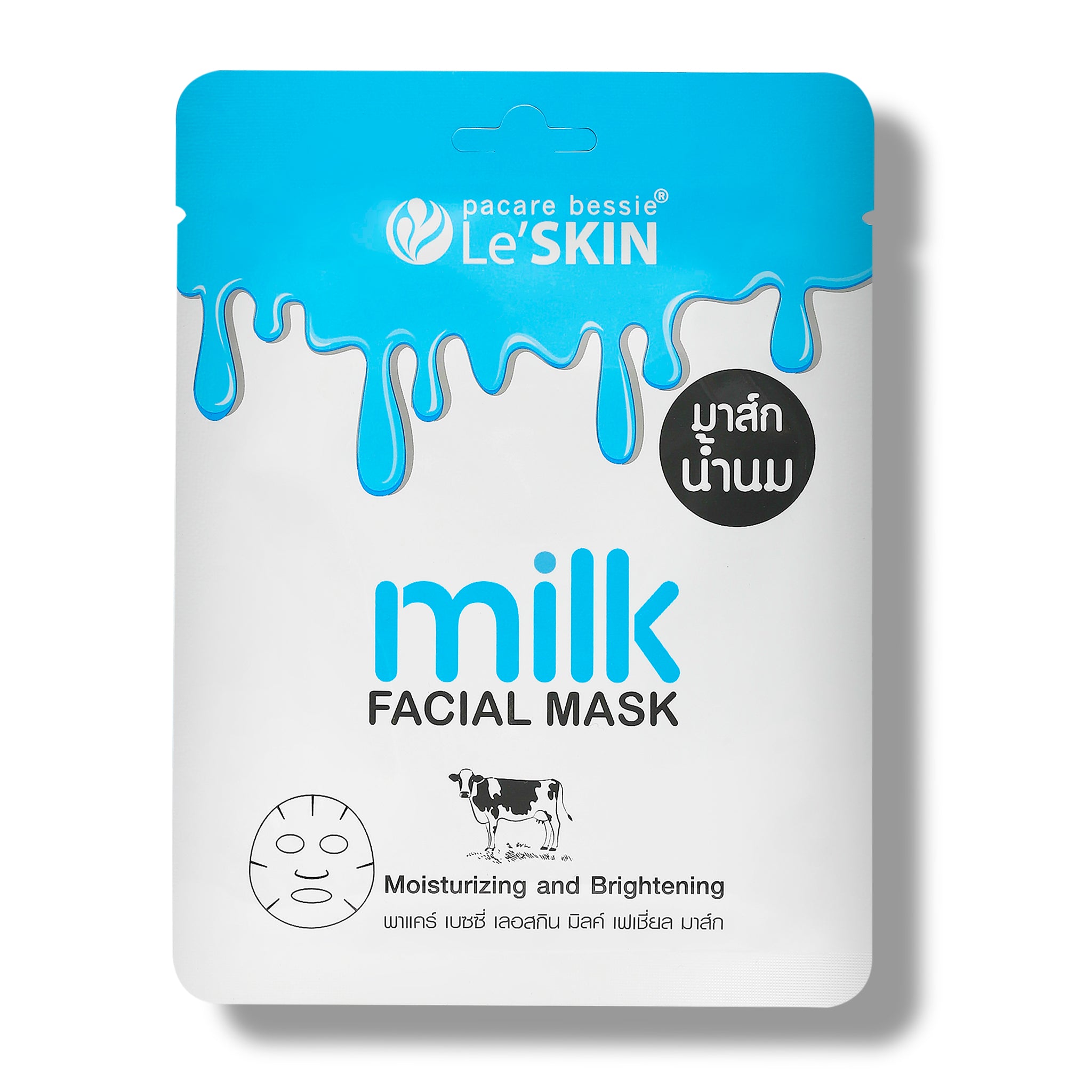
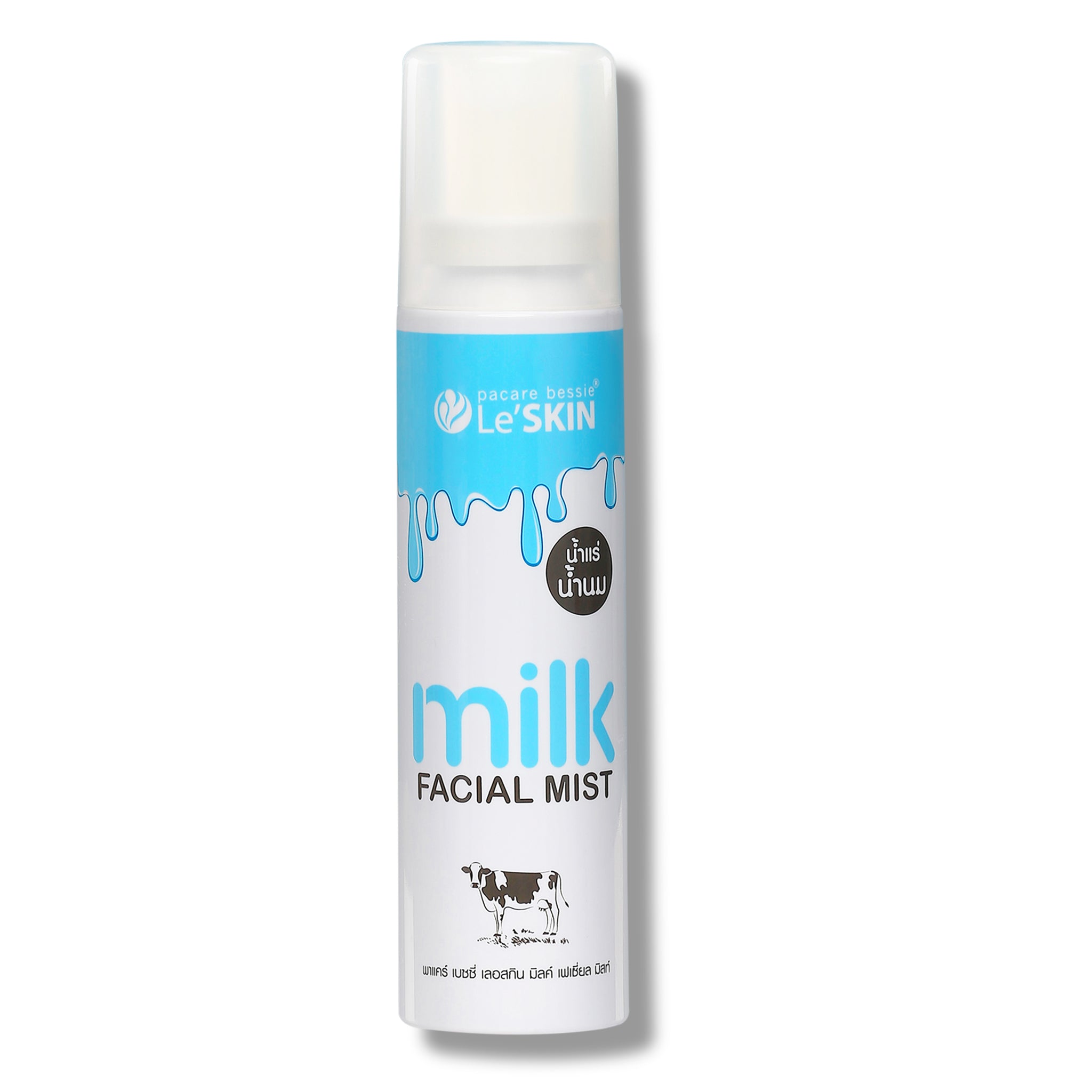
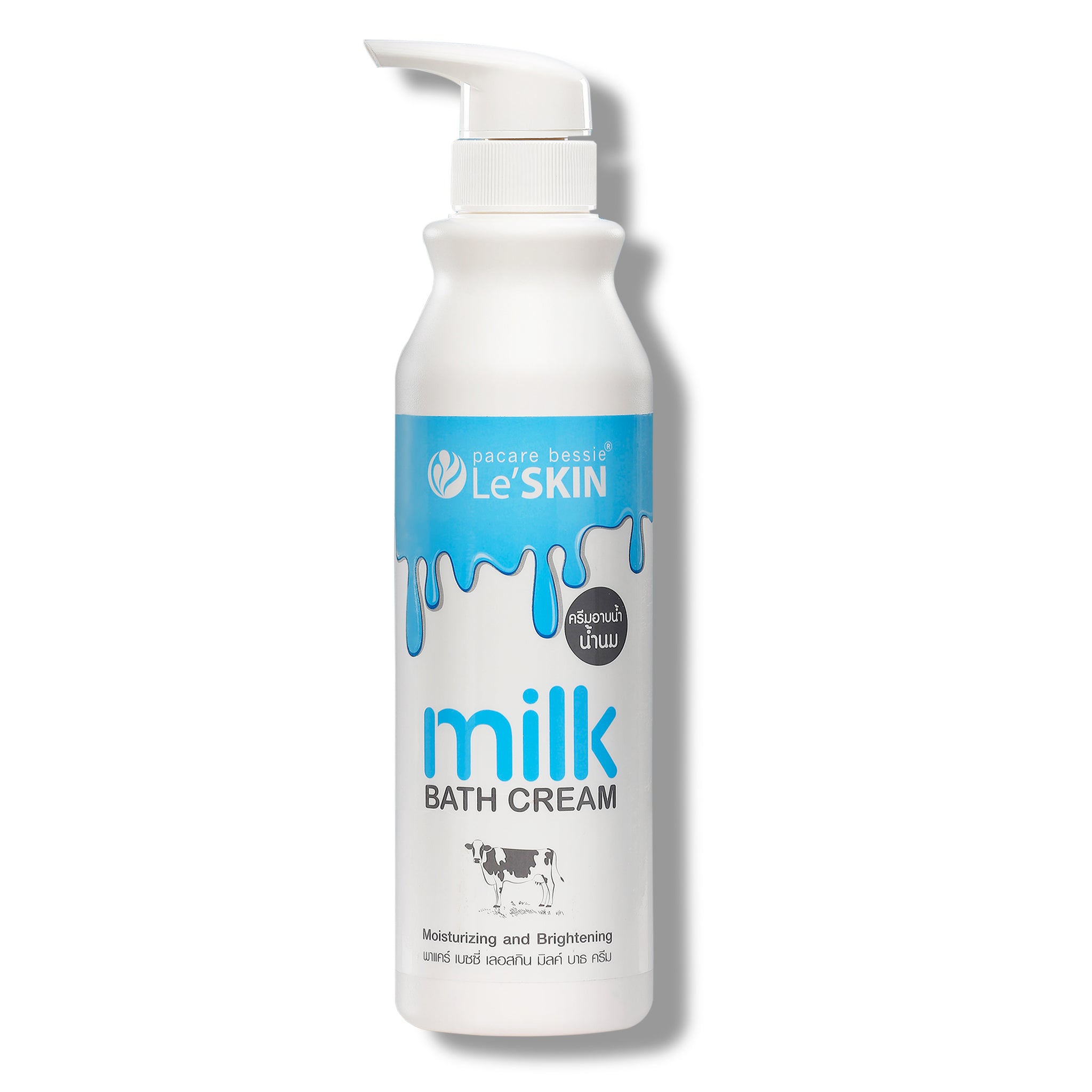
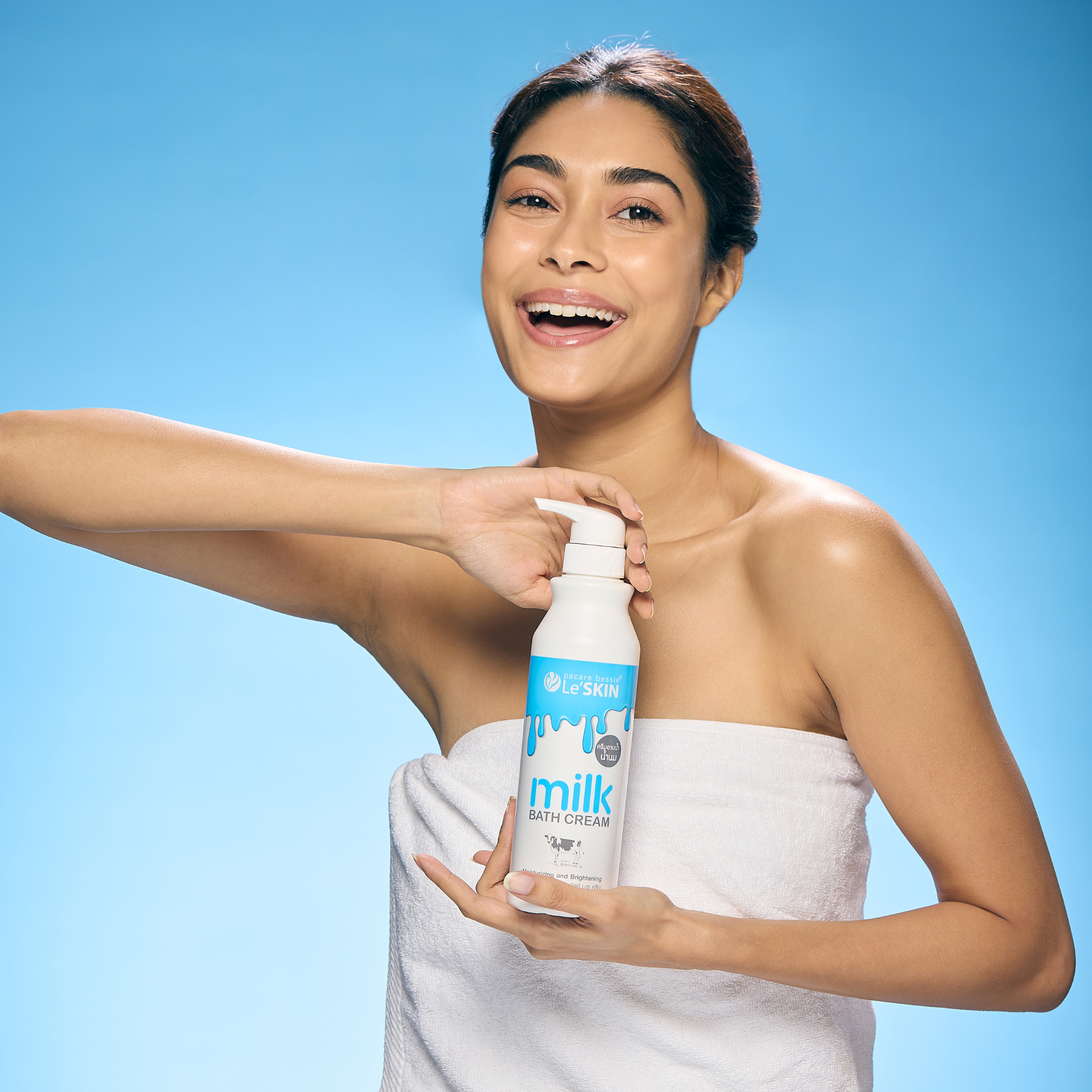
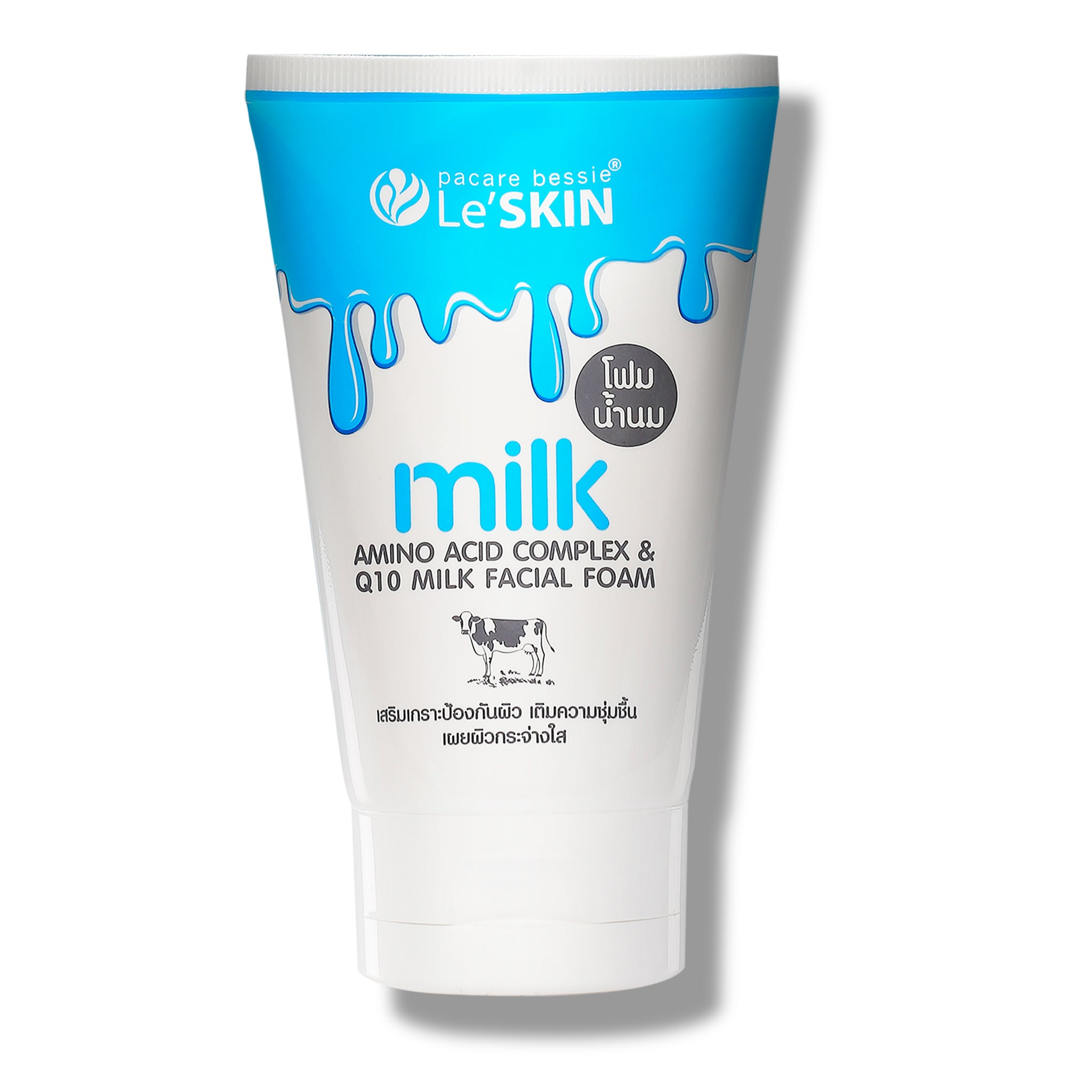
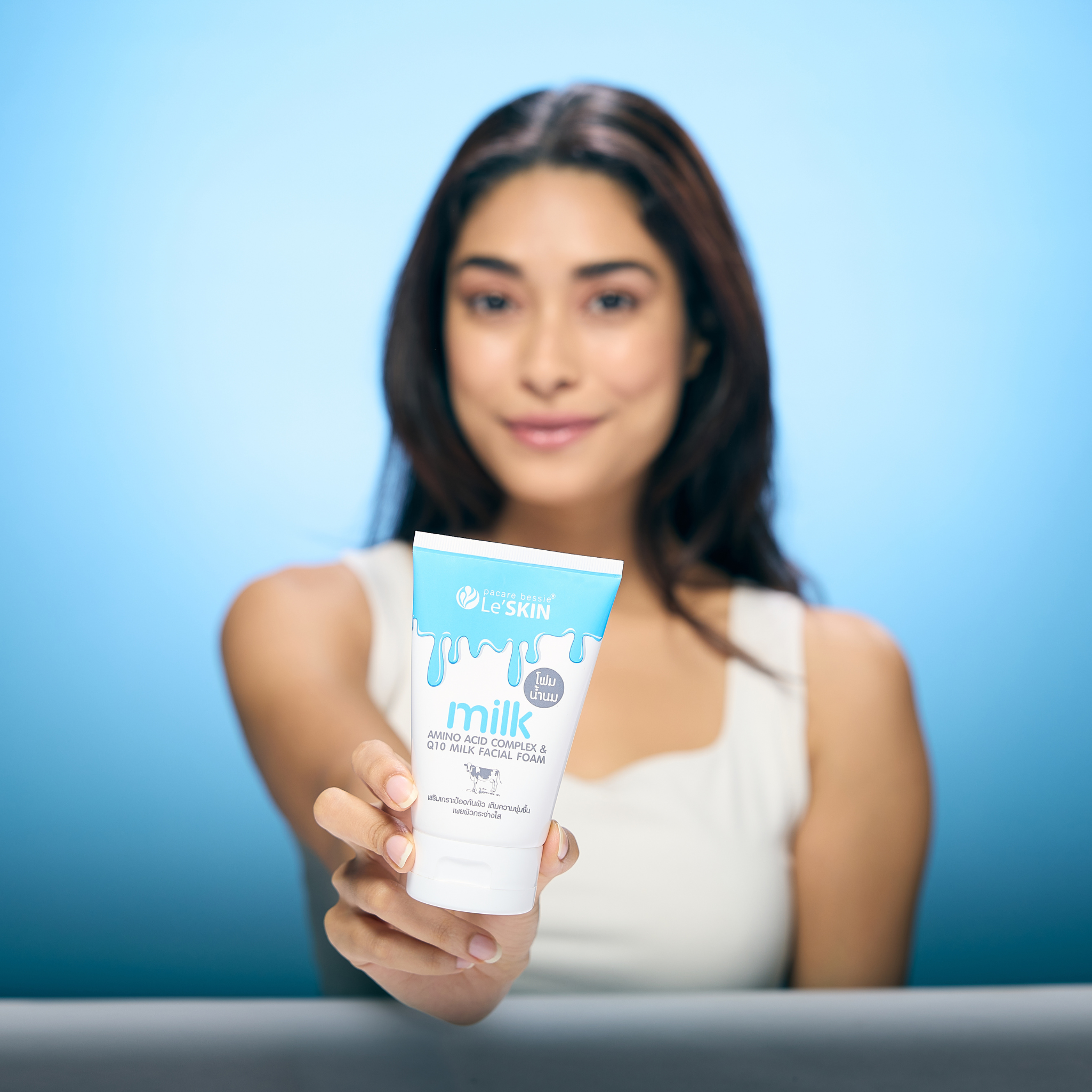
Le’SKIN’s Milk Foaming Facial Cleanser is infused with milk protein, amino acids, and glycerin — giving you a gentle, nourishing cleanse that protects your skin barrier and leaves your complexion soft and glowing.
Conclusion
Milk protein is a skincare essential that delivers both immediate and long-term benefits. If you want smoother, more hydrated, naturally radiant skin, it deserves a place in your daily routine.




Leave a comment
This site is protected by hCaptcha and the hCaptcha Privacy Policy and Terms of Service apply.